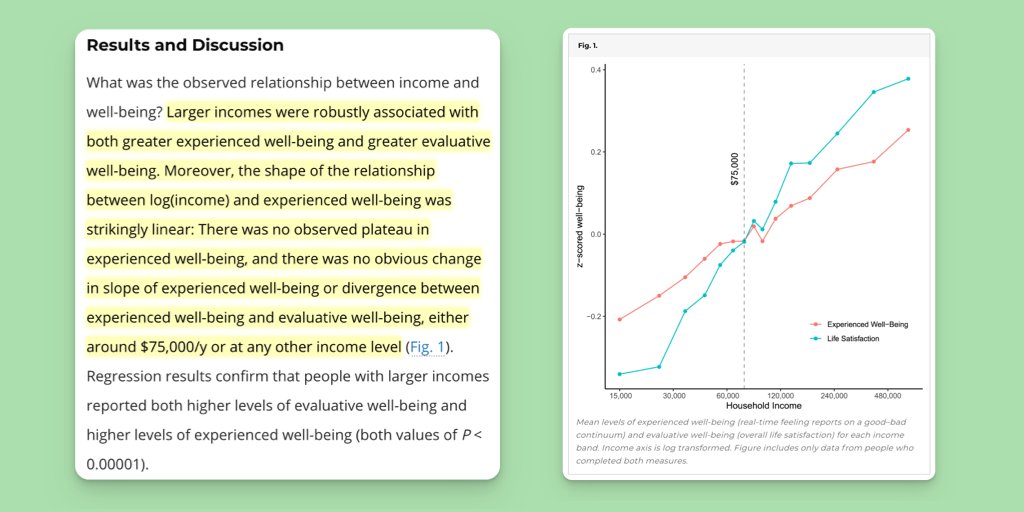
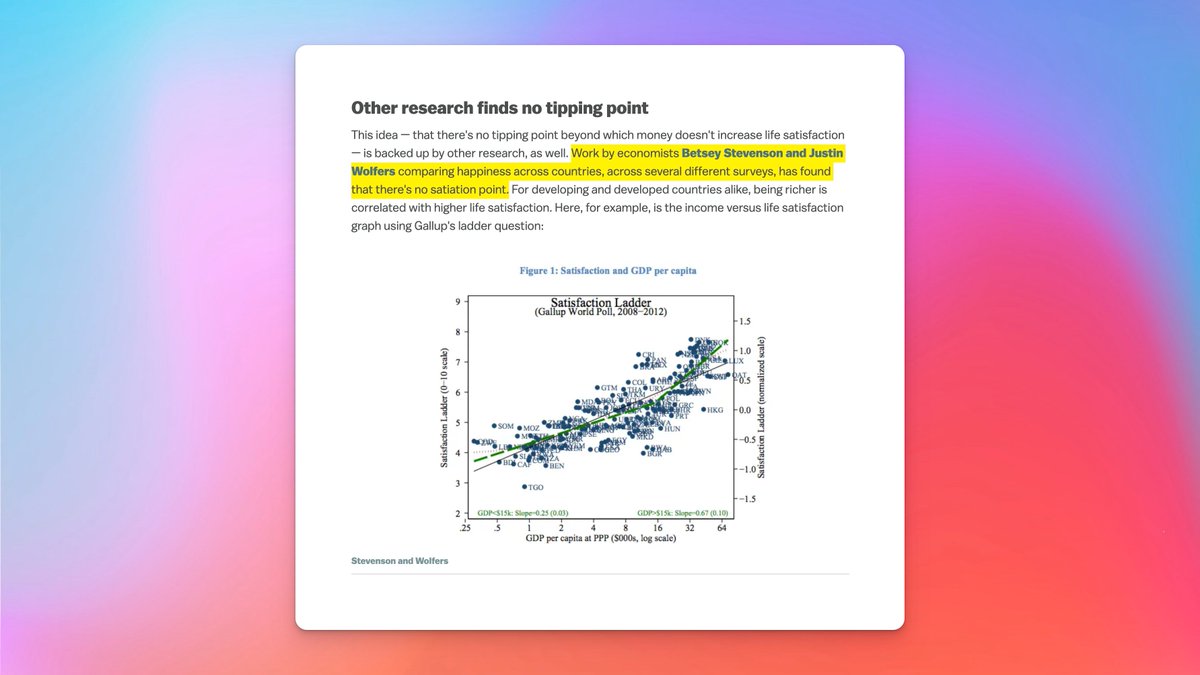
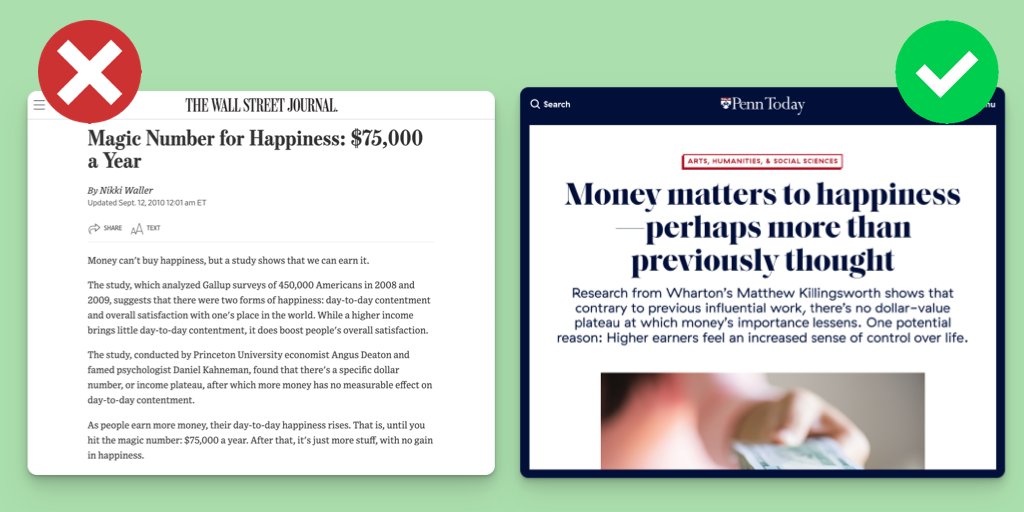
@randombytes2@intilektual Empirically, yes: increases in income ("money that a person receives in exchange for their labor or products") correlate to increased happiness.
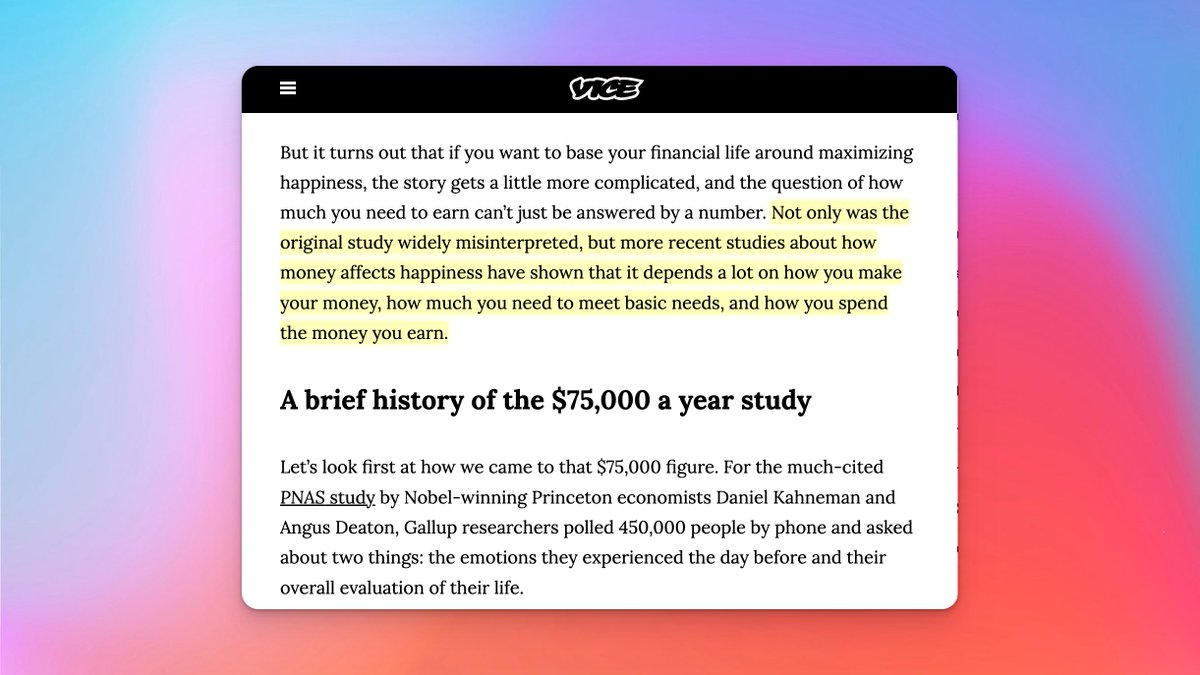
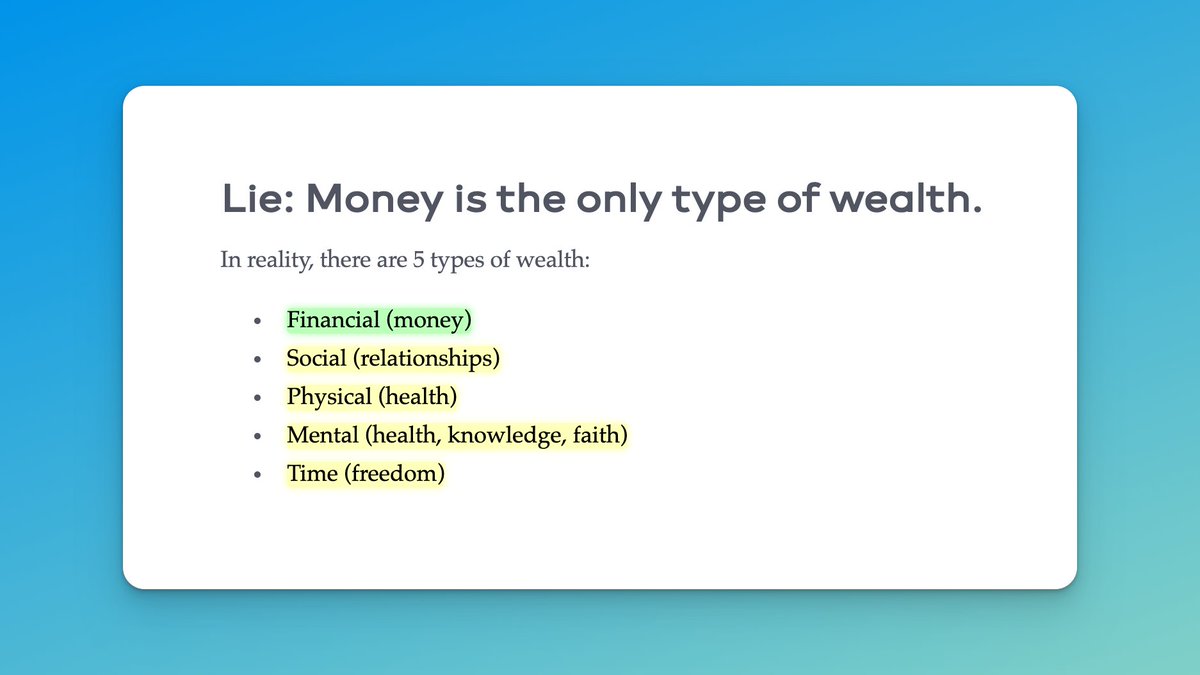
Anecdotally (for you) it seems this isn't the case.
(although a longitudinal study [next 10-20 years] on you might prove different)
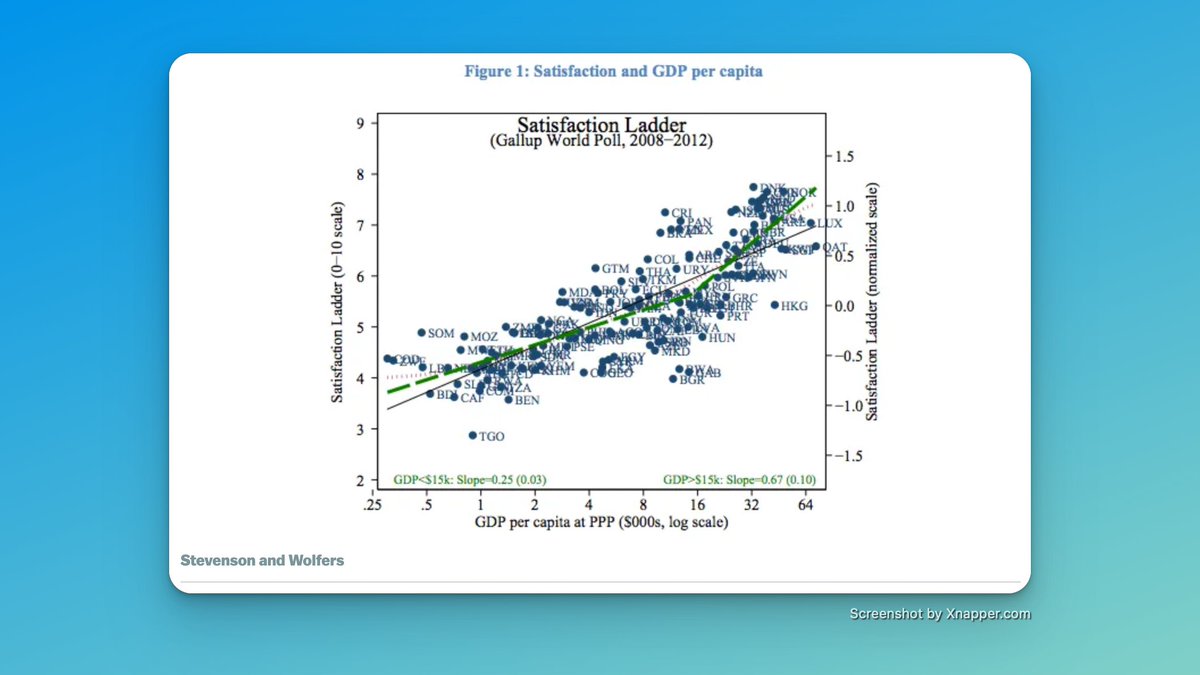
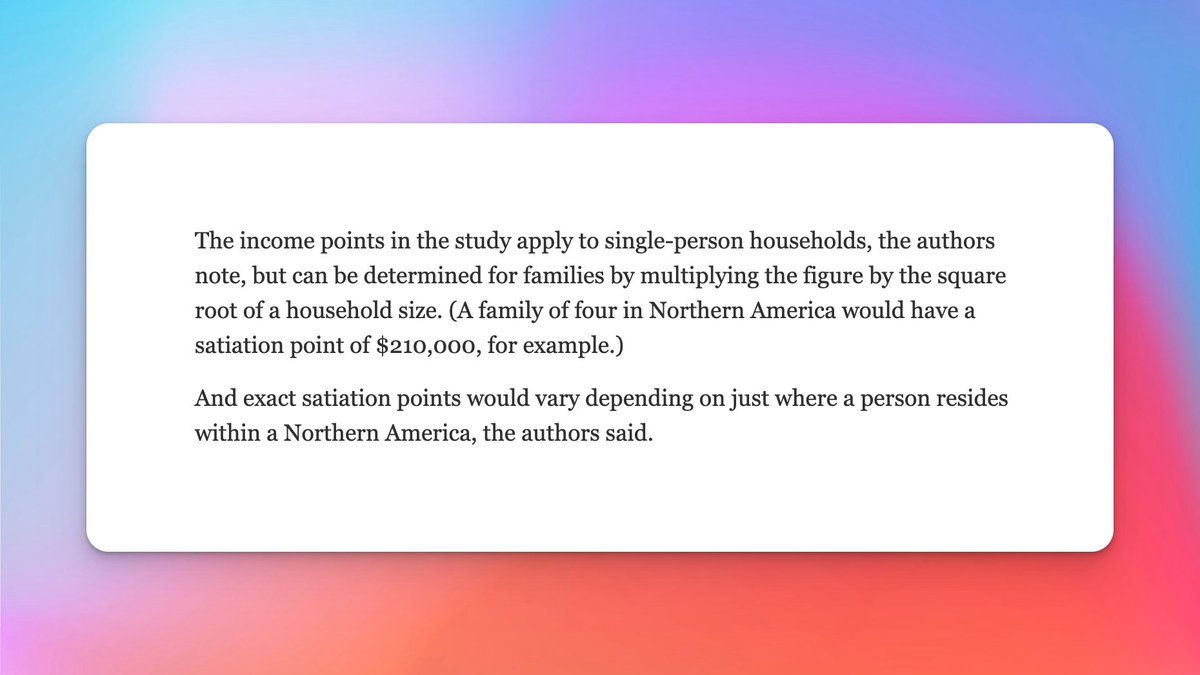
@michaelkoper@randombytes2@intilektual A study by "economists Betsey Stevenson and Justin Wolfers comparing happiness across countries, across several different surveys, has found that there's no satiation point."
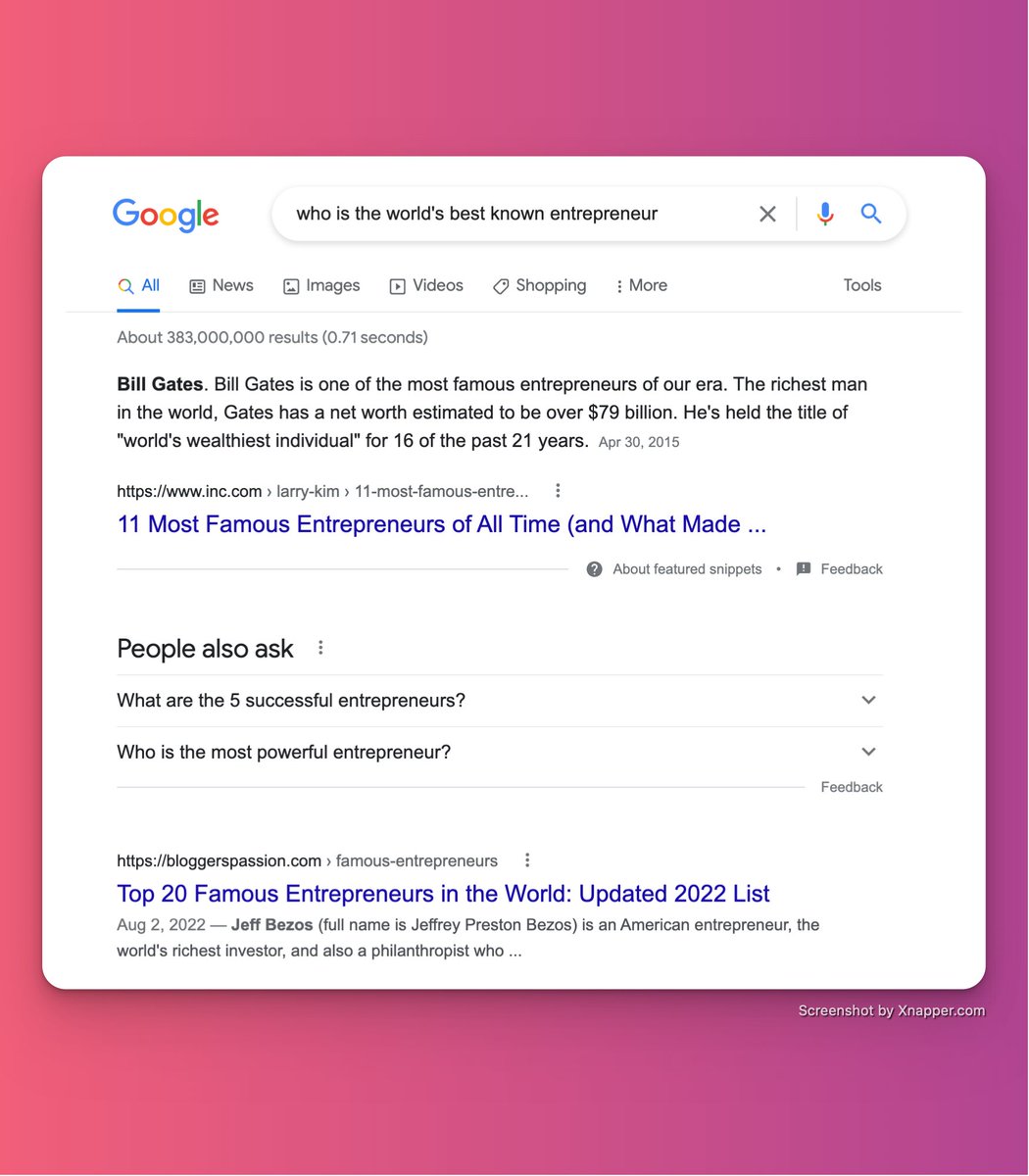
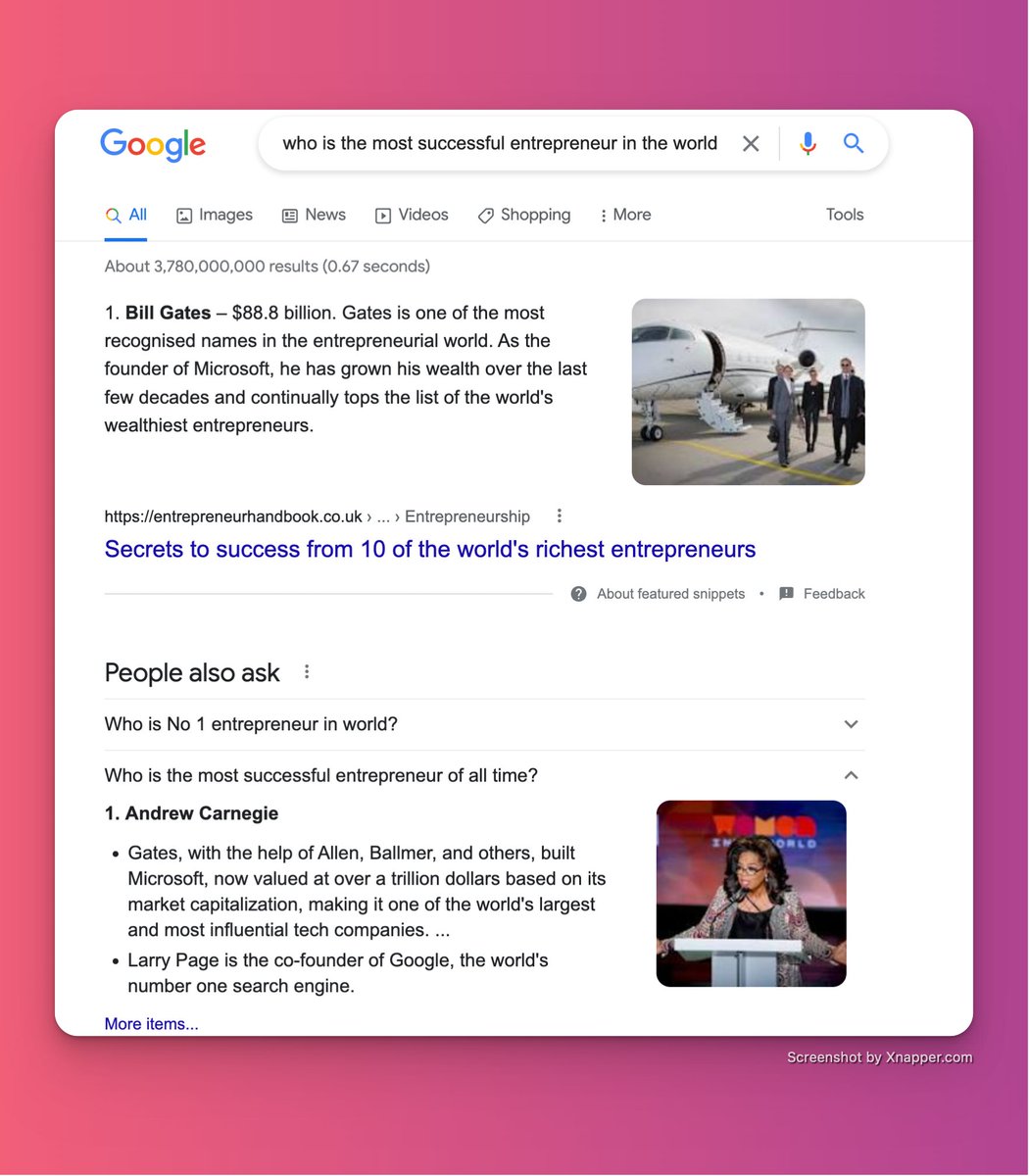
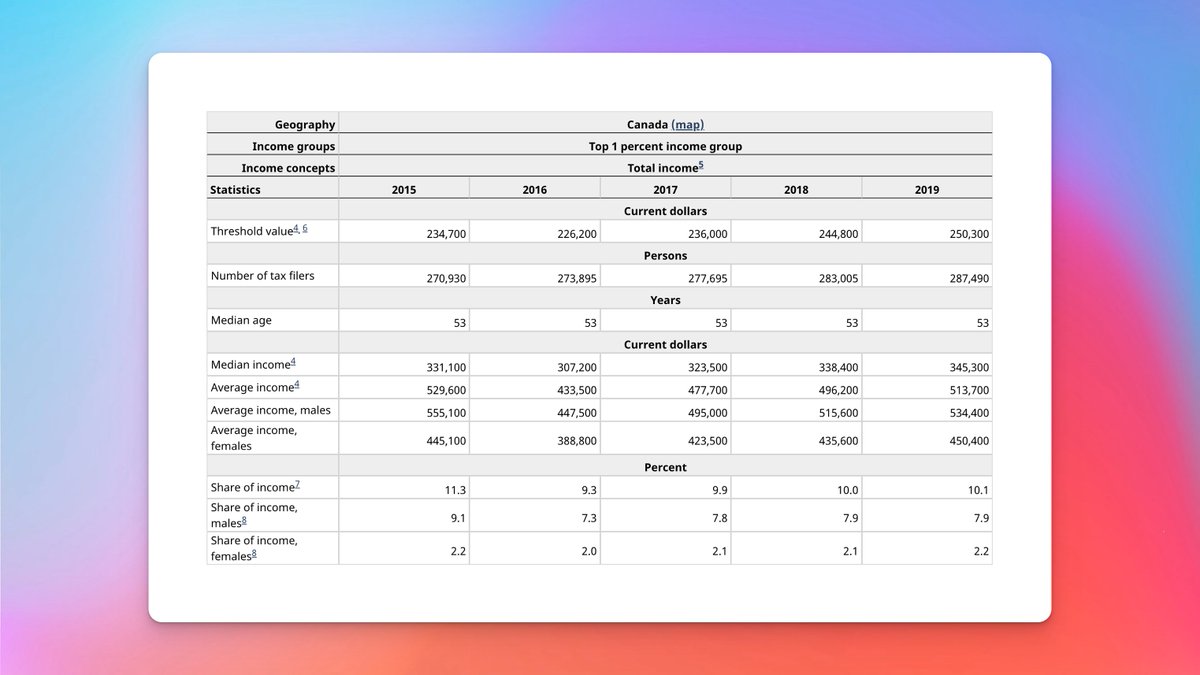
- how would we truly assess "most famous & most achieved" - whether "most famous & most achieved" is the best representation for most entrepreneurs - whether opinions on Musk are correlated to a country's respect for entrepreneurship
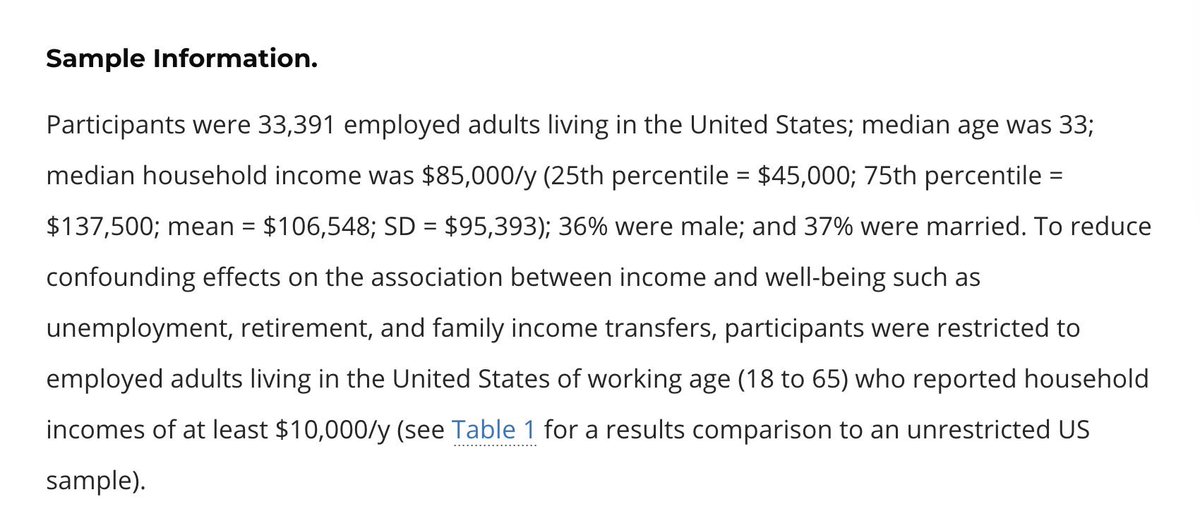
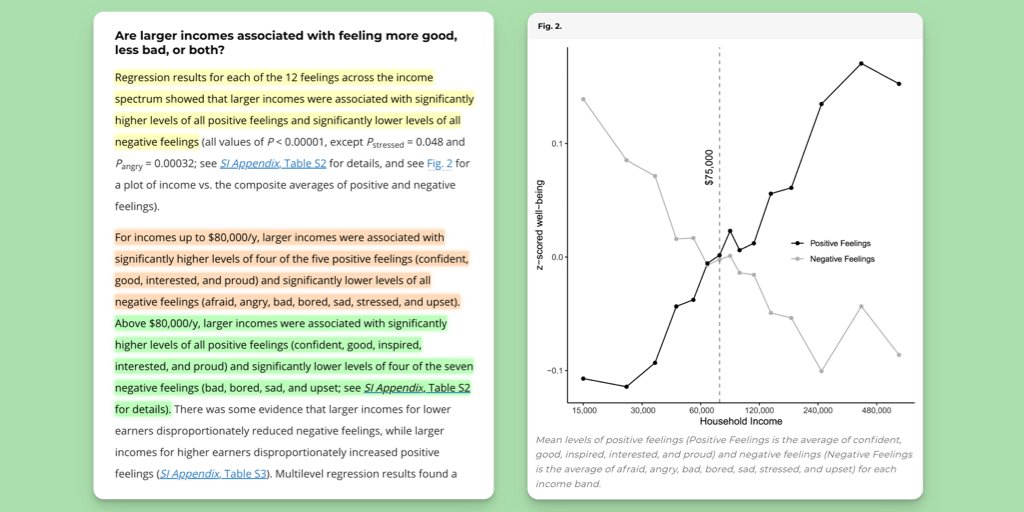
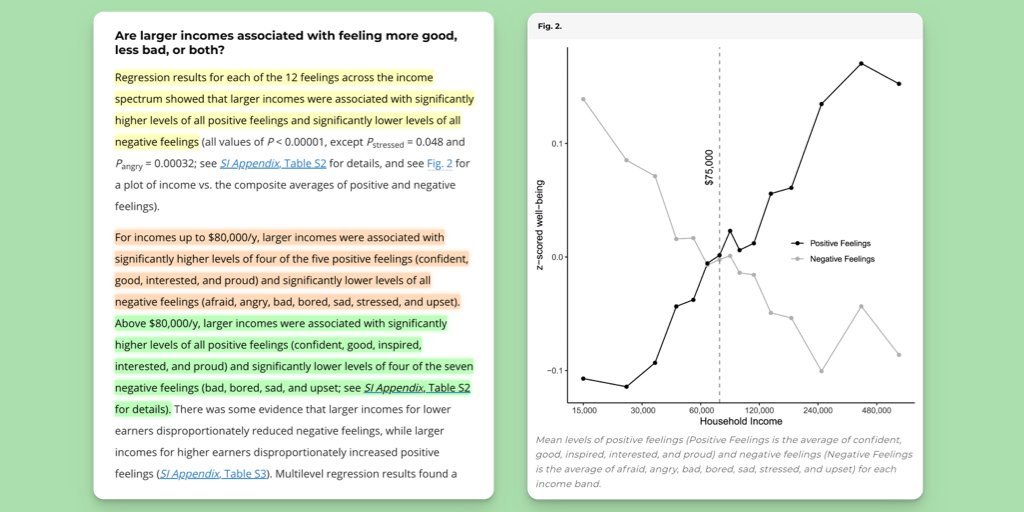
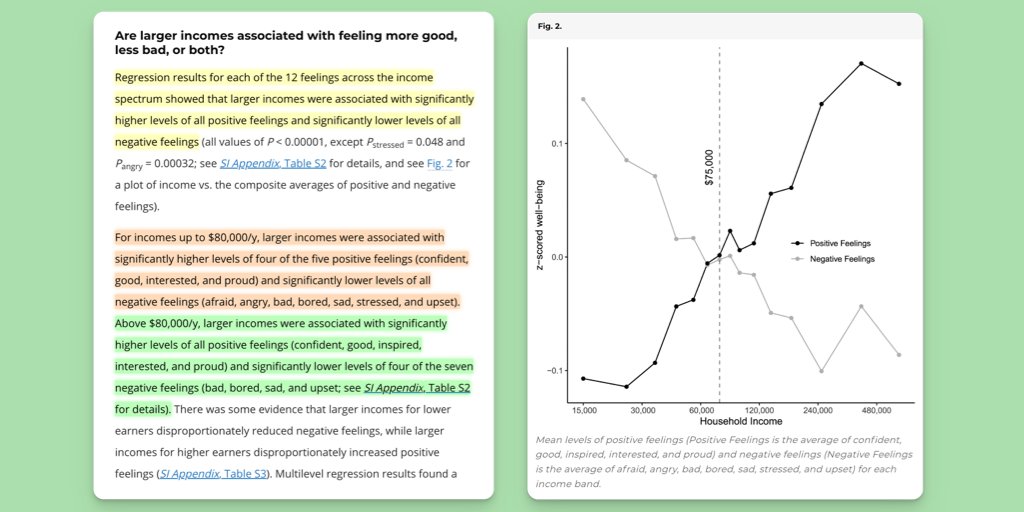
@anasfrh But @penn research has found that "larger incomes were associated with significantly higher levels of all positive feelings and significantly lower levels of all negative feelings."
"Results showed that larger incomes were associated with significantly higher levels of all positive feelings and significantly lower levels of all negative feelings."
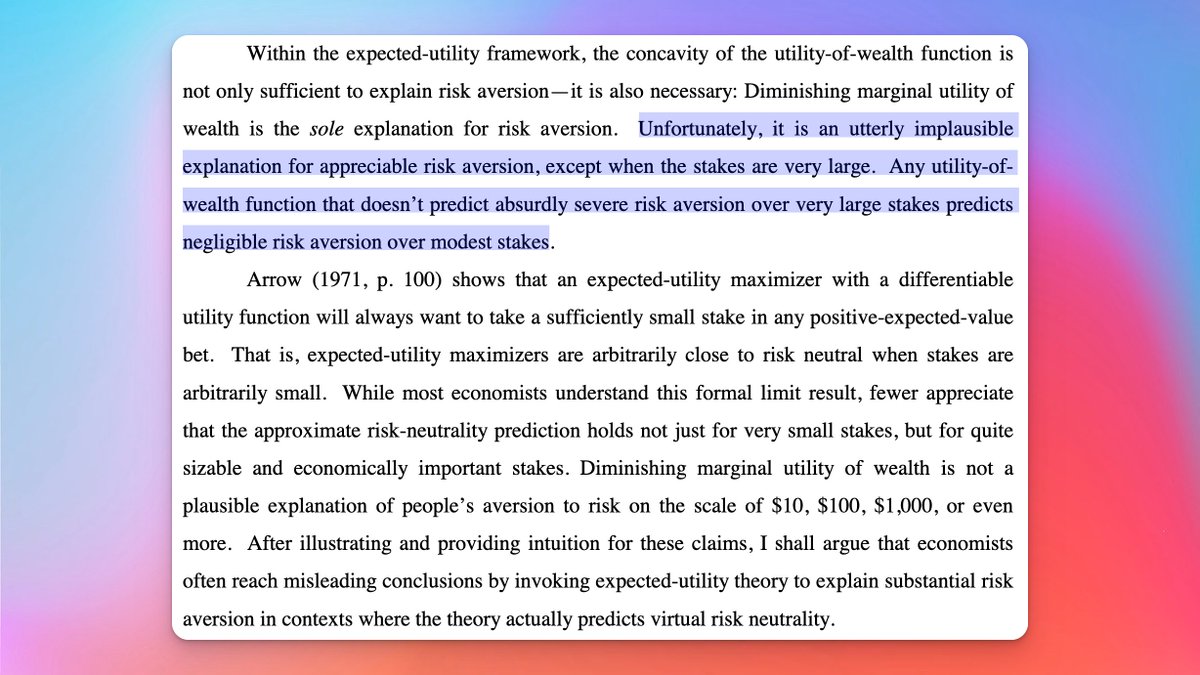
@ScottTruhlar@Colinismblog Doesn't the theory of marginal utility have more to do with "risk aversion" than "the level of income one might live at comfortably?"
The truth is, many people are working really hard just to survive.
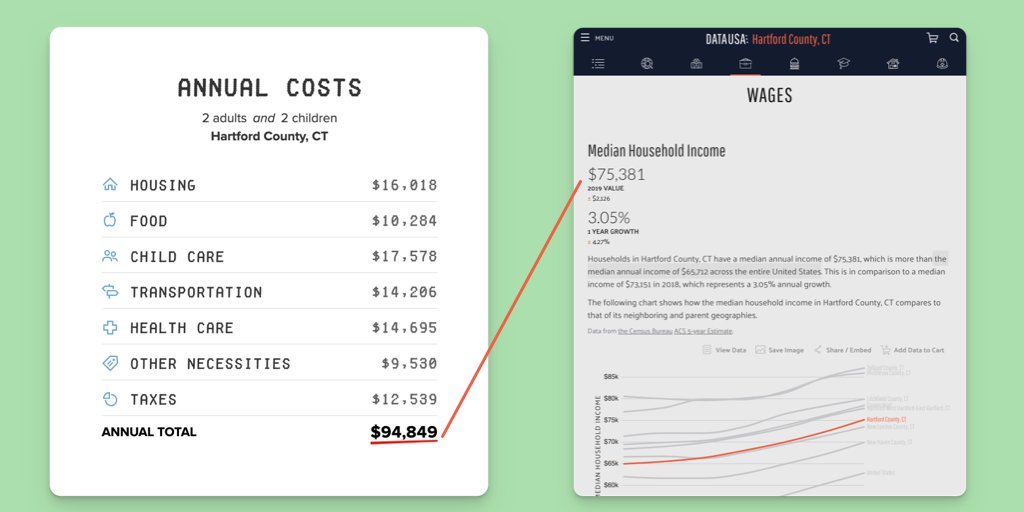
Here's an example for Hartford, CT:
💰 Median household income: $75,381 (US median is $65,712) 💸 But just to attain an "adequate standard of living" a family of 4 would need to earn $94,849 (ht @EconomicPolicy)
I spoke with someone who received a surprise $15,000 bonus. He used it to pay off his student loans. All of his stress and anxiety instantly melted away.
Now, instead of spending his energy worrying, he can dedicate his time to enjoying life.